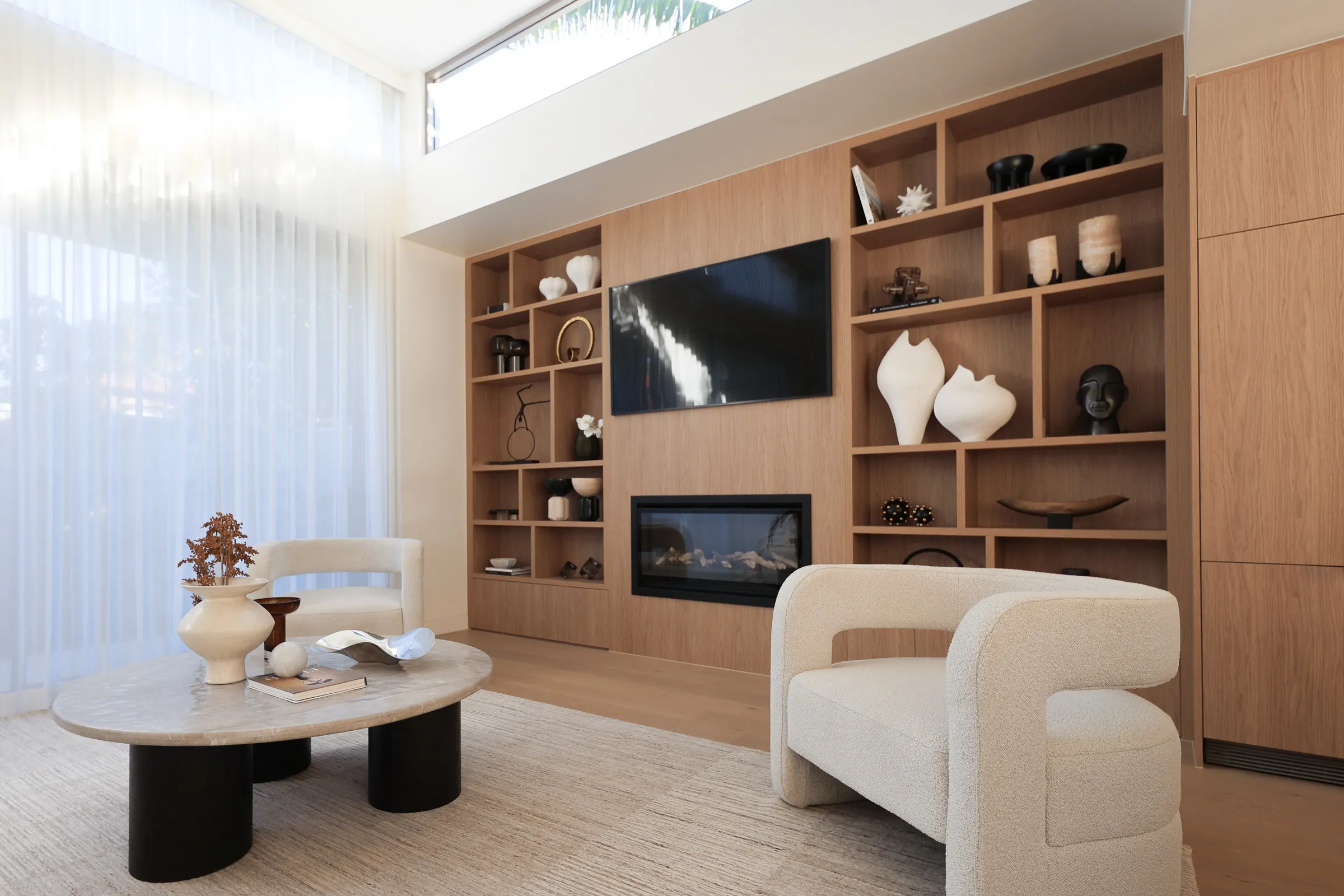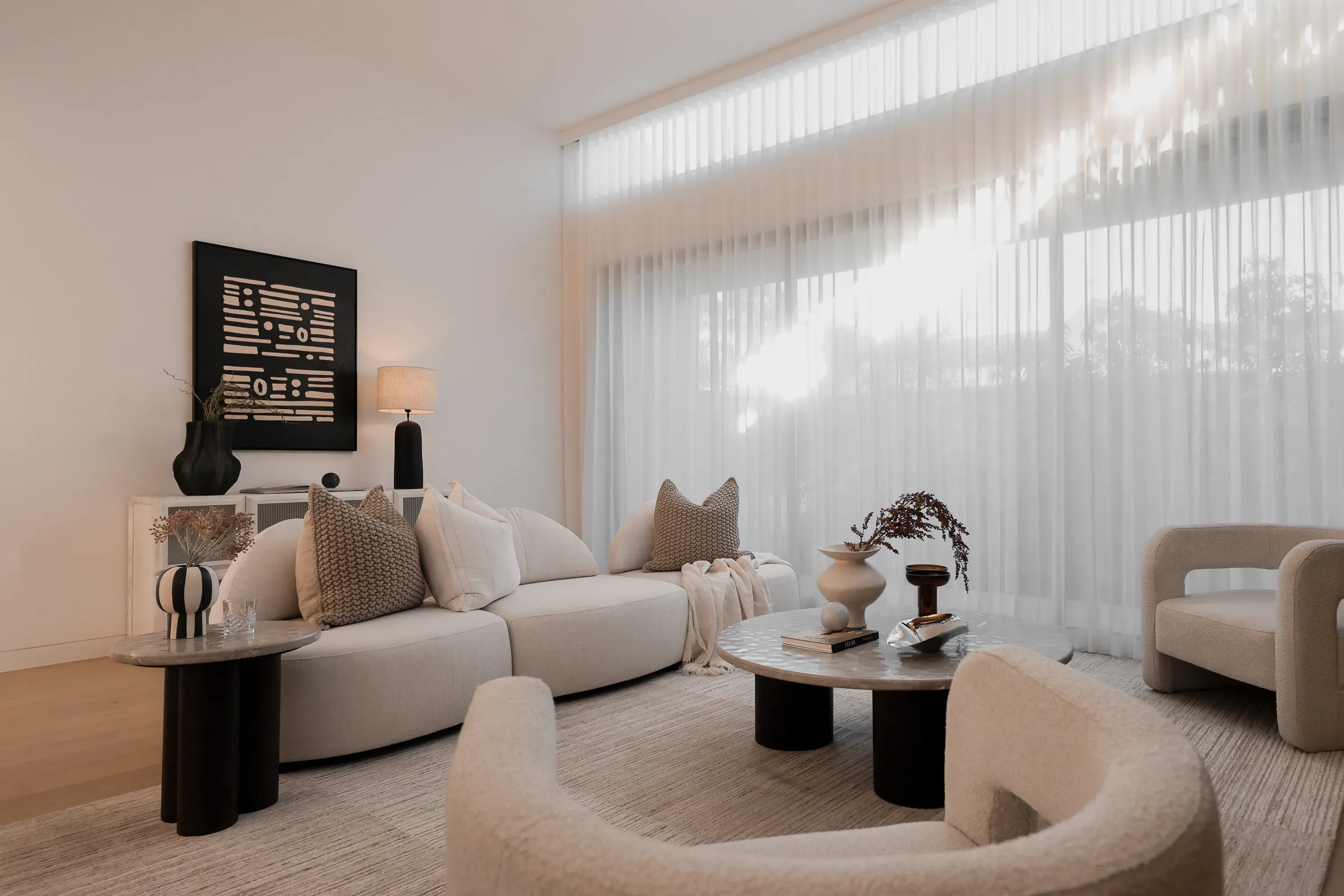
Contemporary interior design reflects the way we live now. It’s defined by clean lines, open space, sculptural furniture and a palette that feels considered. Where other styles look back, contemporary is always current. It evolves with new materials, forms and ideas, which is why a contemporary home feels fresh, uncluttered and quietly confident. At TPS Interiors, we work in two distinct directions: light contemporary and dark contemporary. From new builds to period properties, our extensive in-house collection of contemporary furniture and decor has your space covered.
“Contemporary is about editing. Every piece in the room has to earn its place, so the shapes, the materials and the light can really be seen. Light or dark, the goal is the same: a home that feels calm, current and completely intentional.”
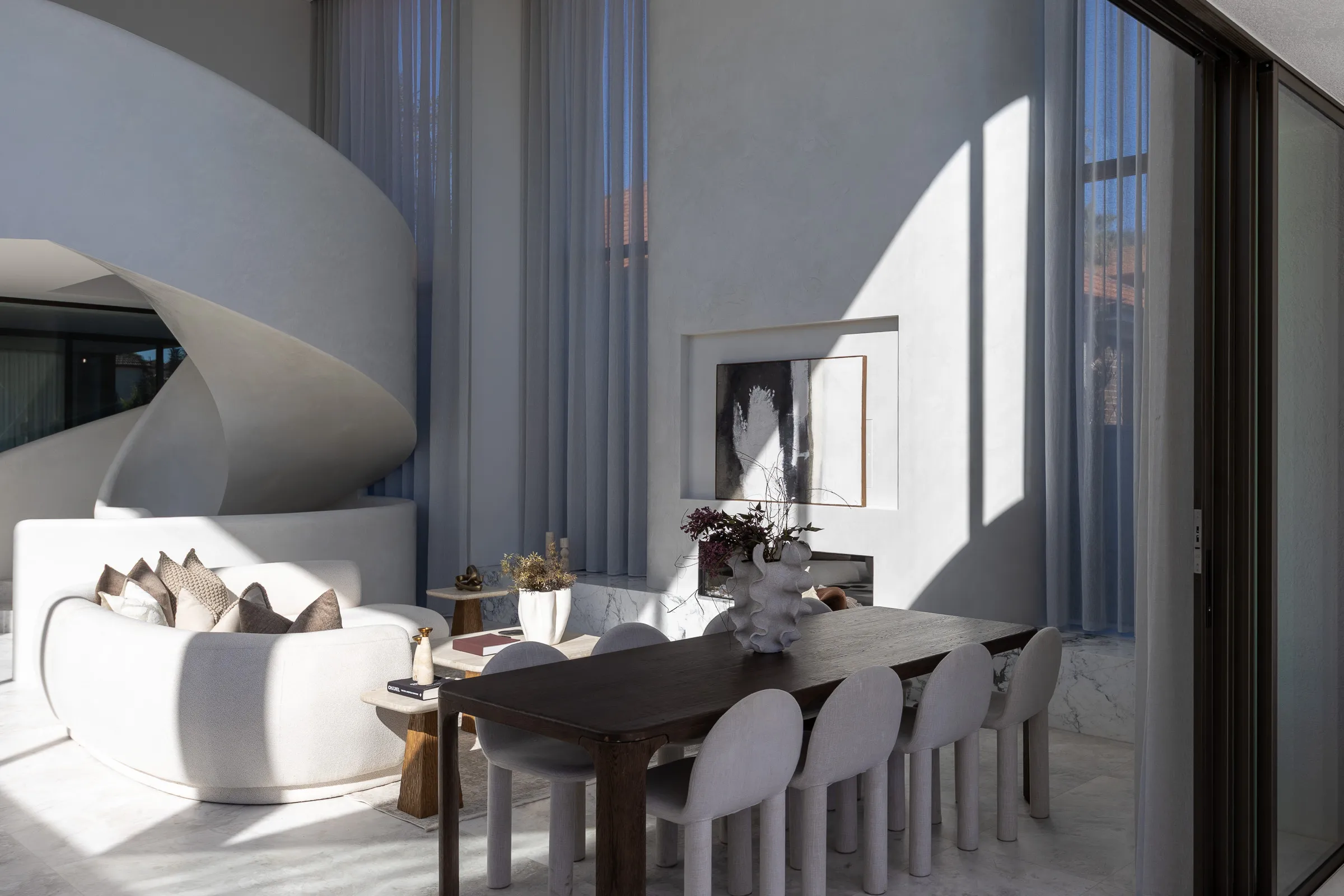
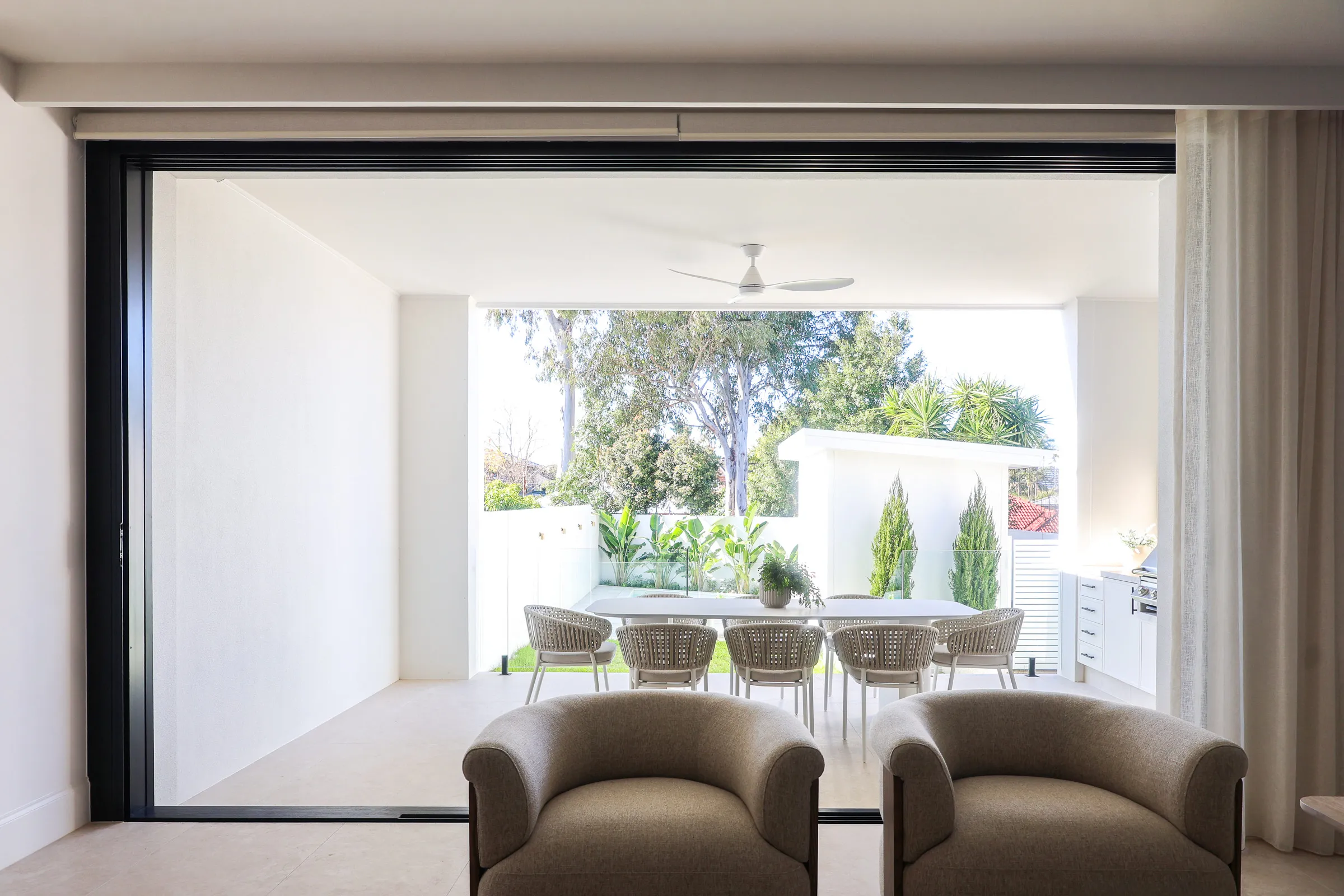
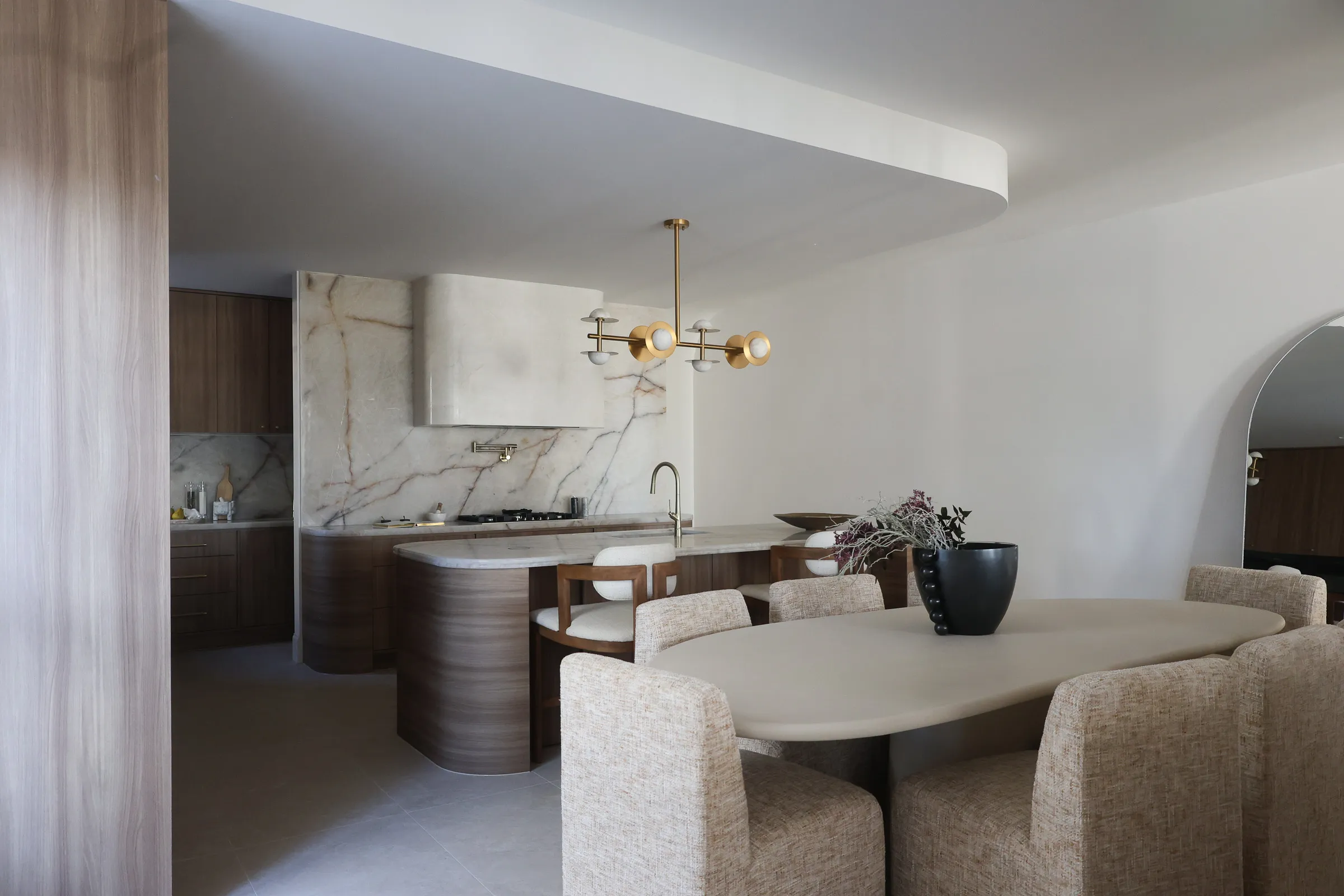
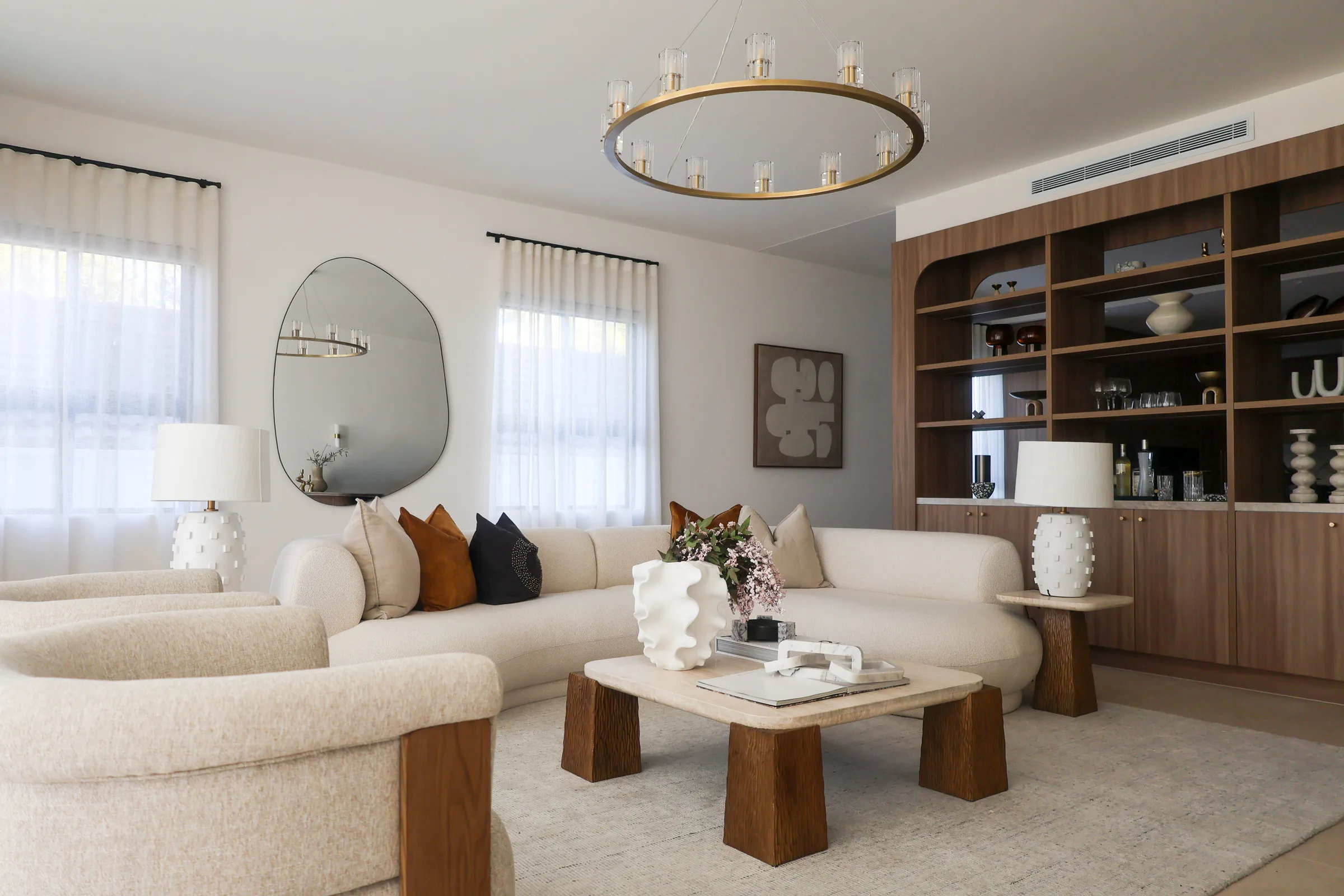
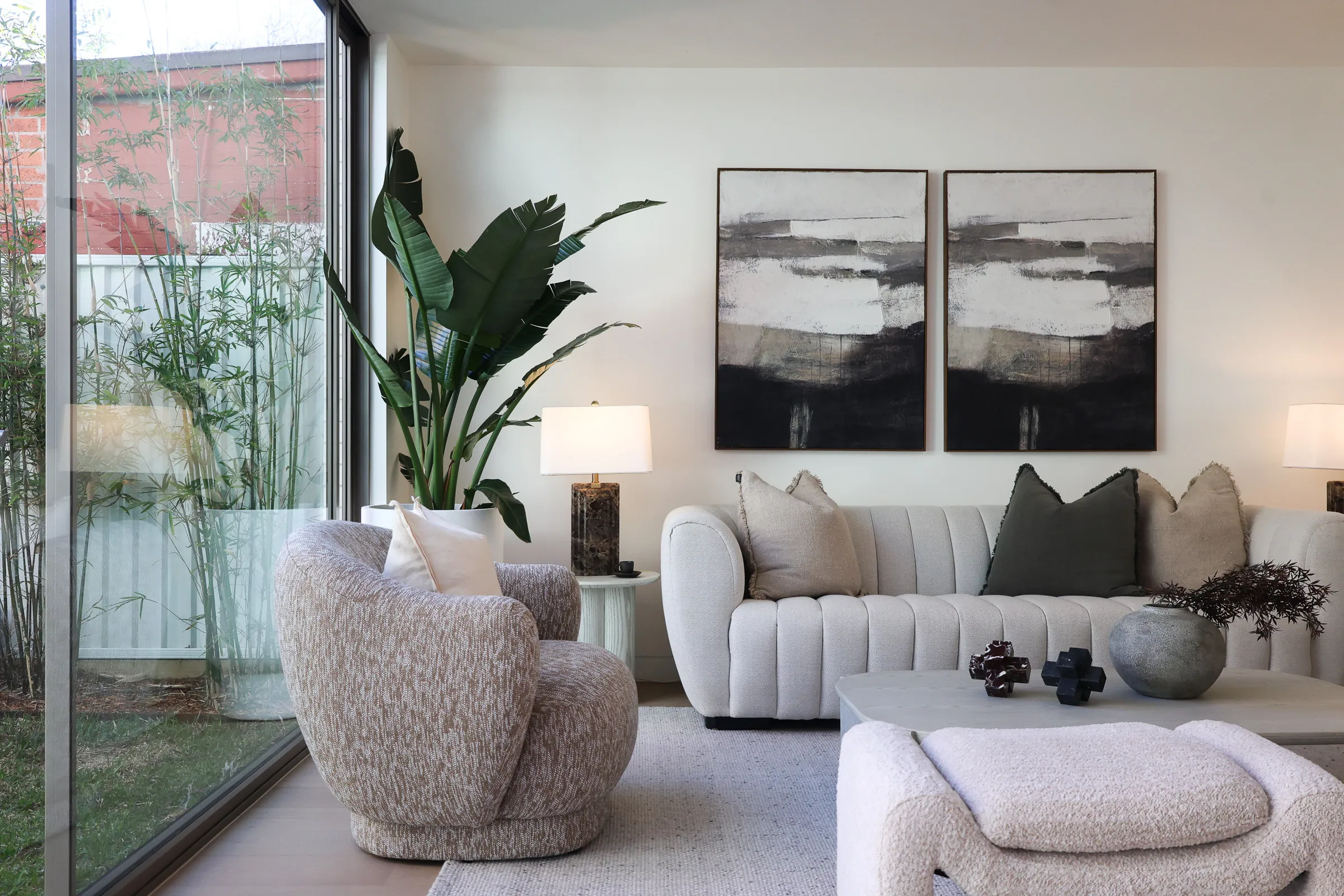

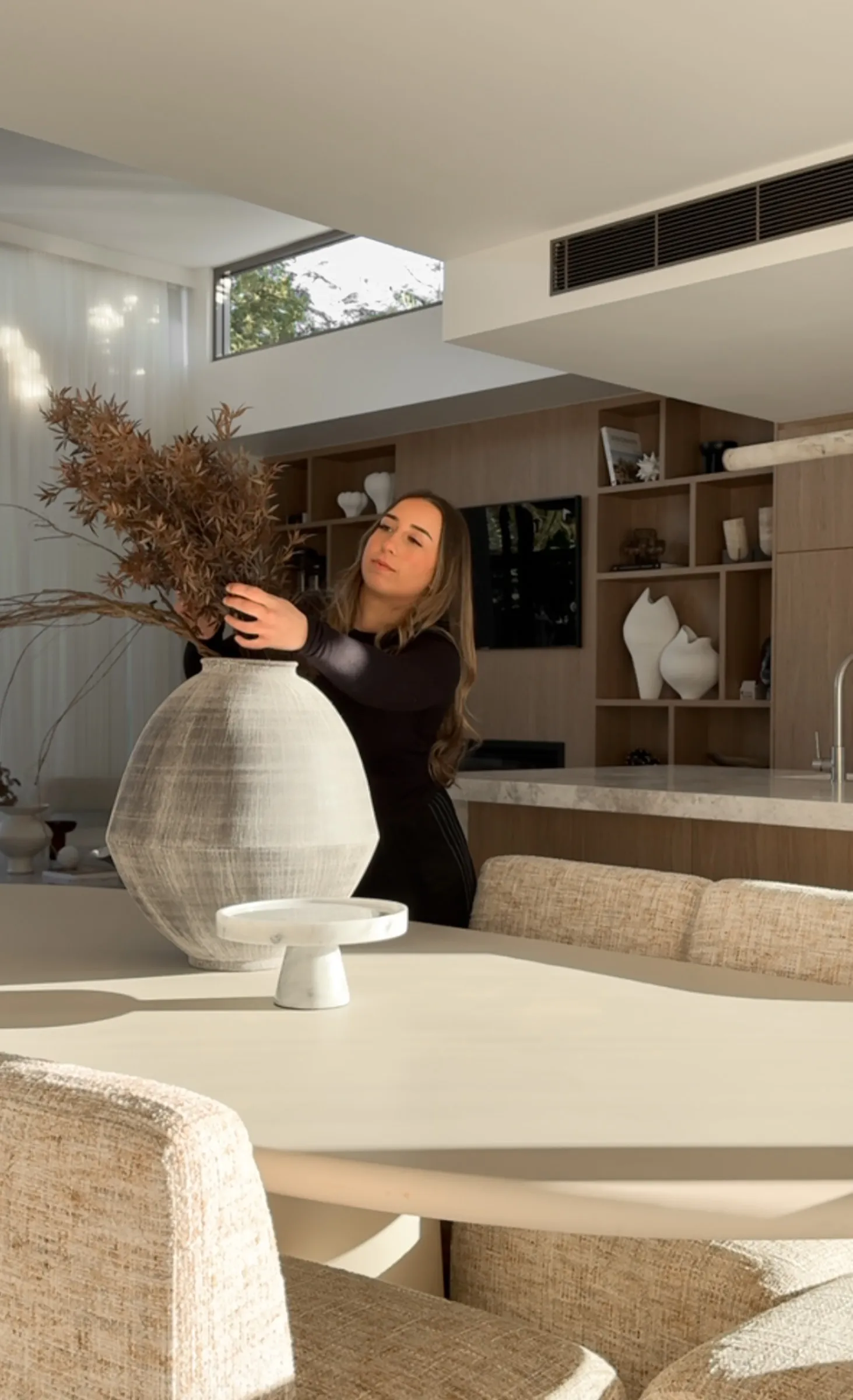
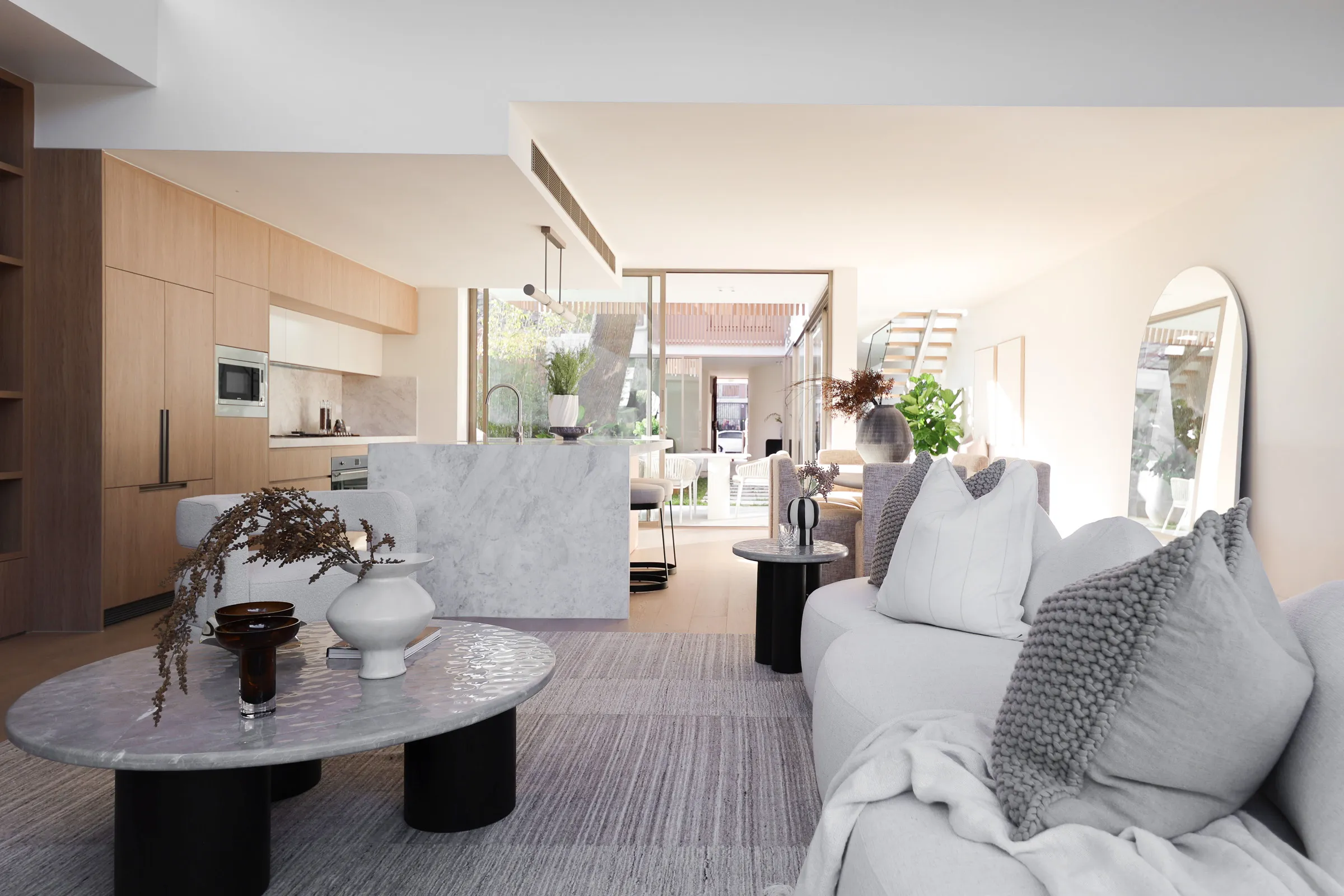
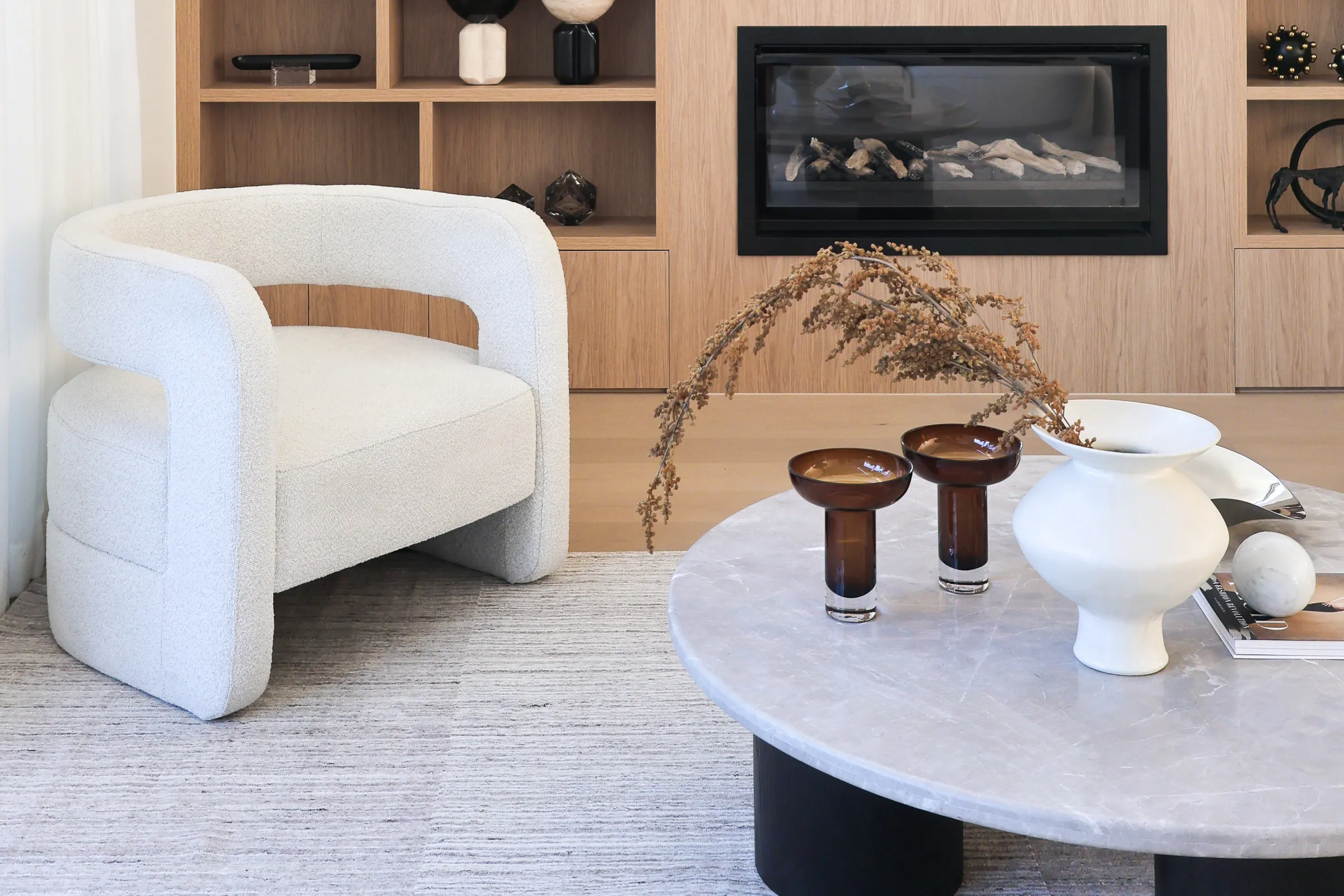
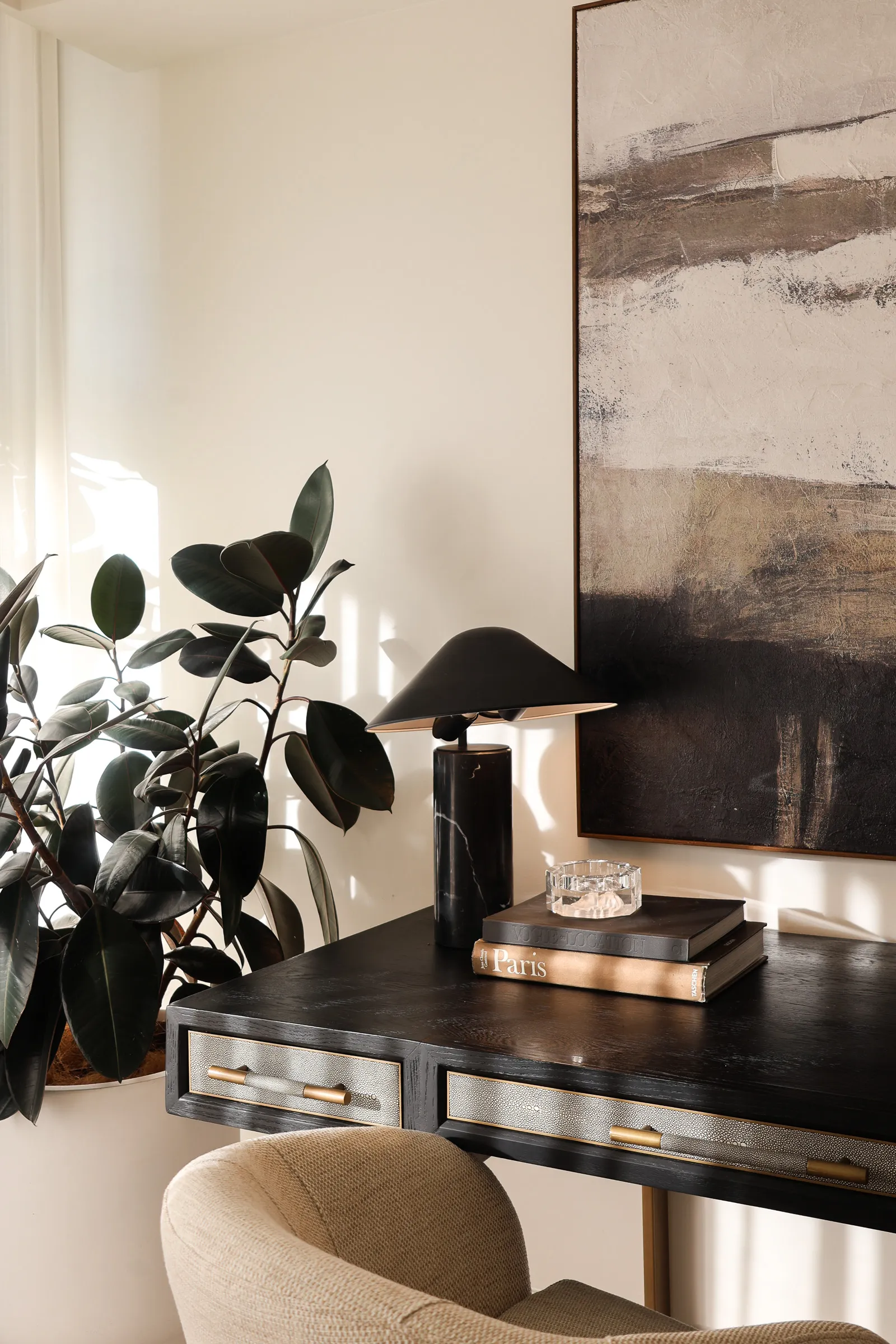
Contemporary style works beautifully at both ends of the spectrum. Here’s how the two compare.
Light contemporary is soft, airy and endlessly livable. The palette is built on crisp whites, warm greige, oatmeal and pale timber, with texture coming from bouclé, linen and limestone. It’s ideal for maximising natural light, making smaller rooms feel larger and creating a calm, gallery-like backdrop for family life. It’s a popular choice for apartments and open-plan homes.
Dark contemporary is moody, dramatic and sophisticated. Charcoal, black, chocolate and deep stone tones set the scene, with leather, smoked glass, dark oak and veined marble adding richness. Black and white contrast, warm metallics and layered lighting stop the space from feeling heavy. It’s ideal for large living areas, media rooms and anyone who wants a home with real presence.
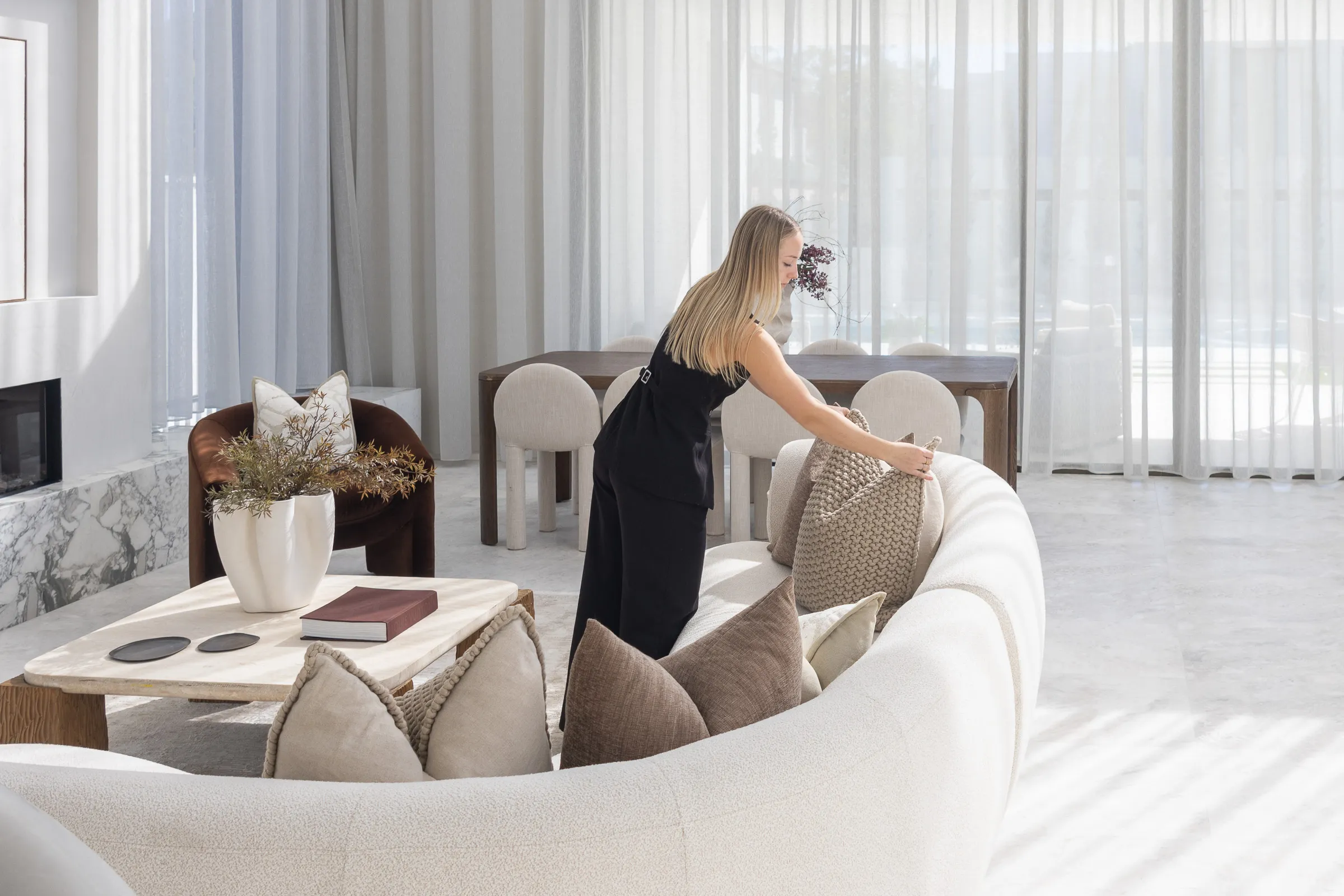
Here’s how we bring contemporary style into each space.
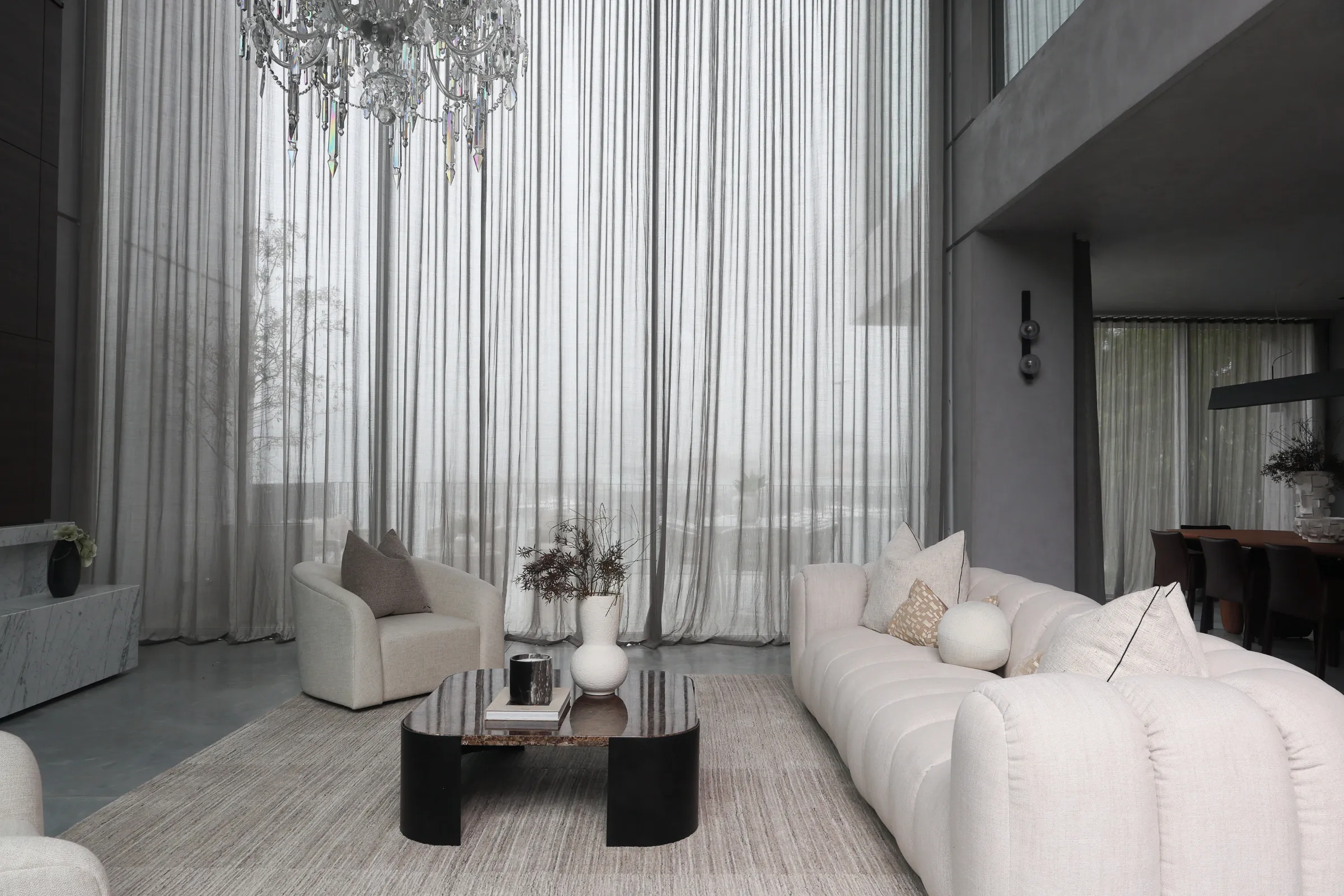
A contemporary living room is built around one strong anchor, usually a modular or curved sofa. A sculptural coffee table, a single oversized rug and a statement floor lamp complete the room. In a light scheme, that might mean ivory bouclé and pale stone. In a dark scheme, deep leather, charcoal wool and a smoked-glass table.
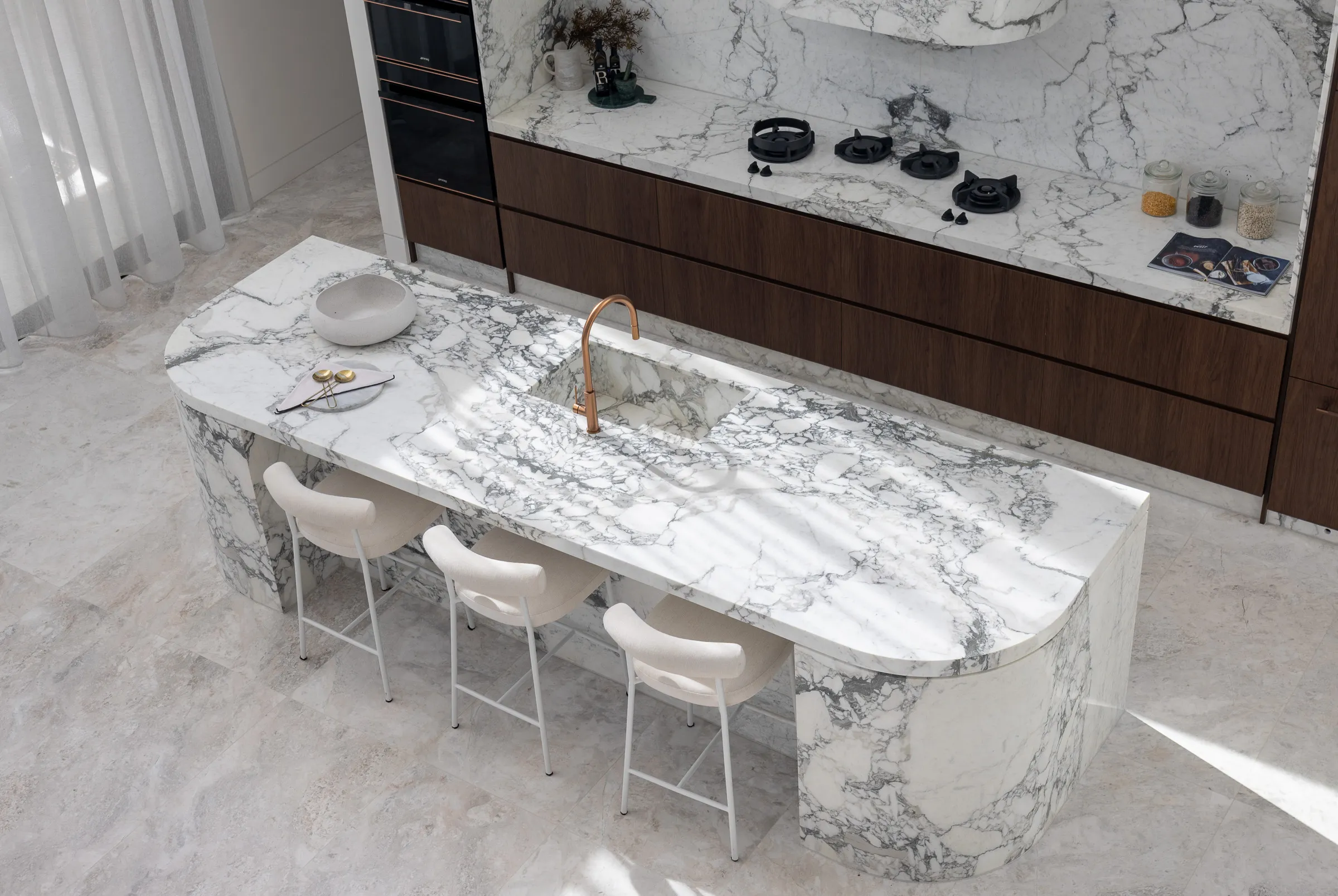
Contemporary kitchens are sleek and seamless. Handleless joinery, stone benchtops and integrated appliances keep lines clean, while pendant lighting over the island adds a sculptural moment. Styling stays minimal: a single bowl, a tall vase or a chopping board is often all the room needs.
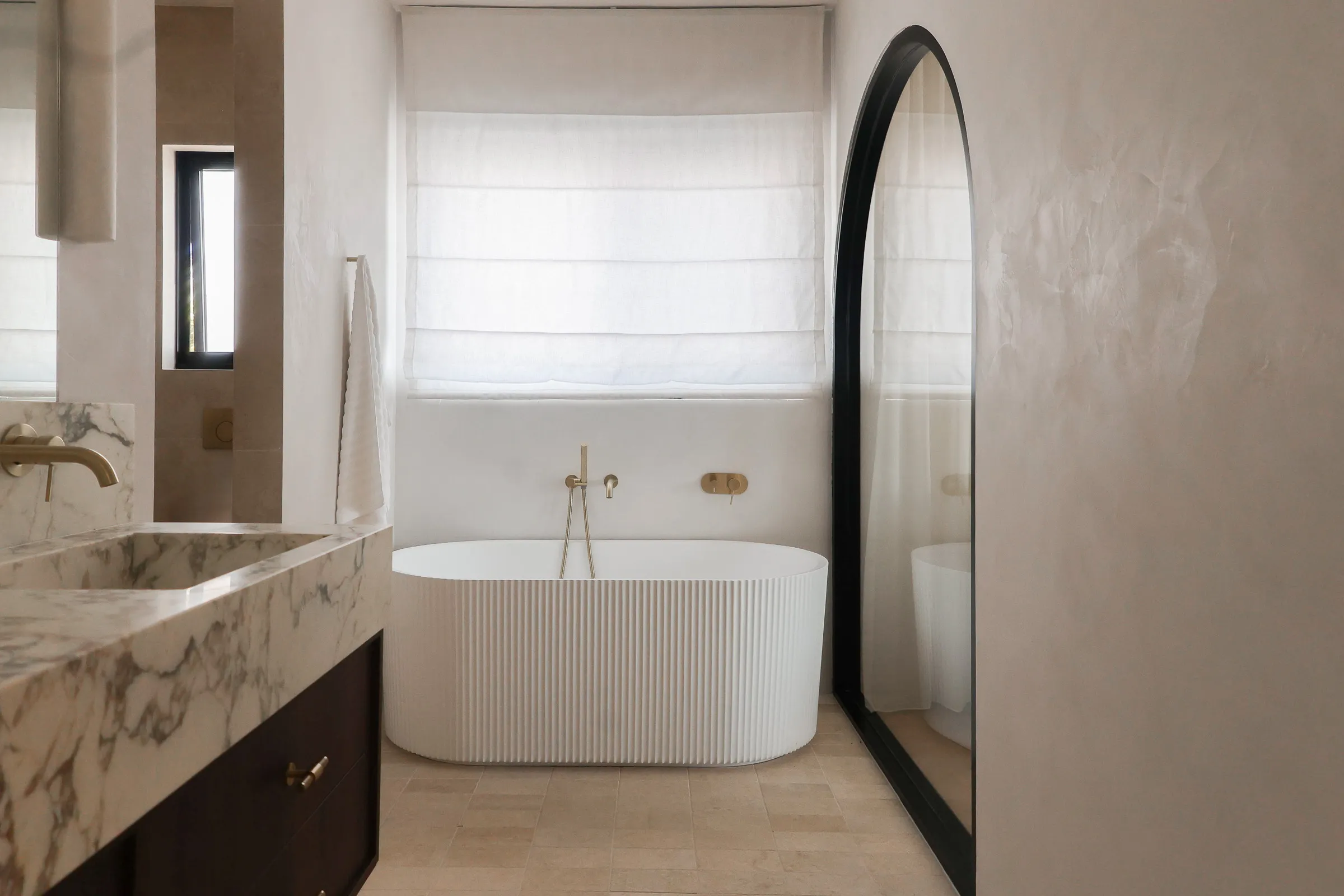
A contemporary bathroom feels like a private day spa. Large-format tiles, a freestanding bath, frameless glass and matte tapware create a clean, uninterrupted look. Fresh white towels suit a light scheme, while charcoal linen and black tapware give a dark scheme its edge.
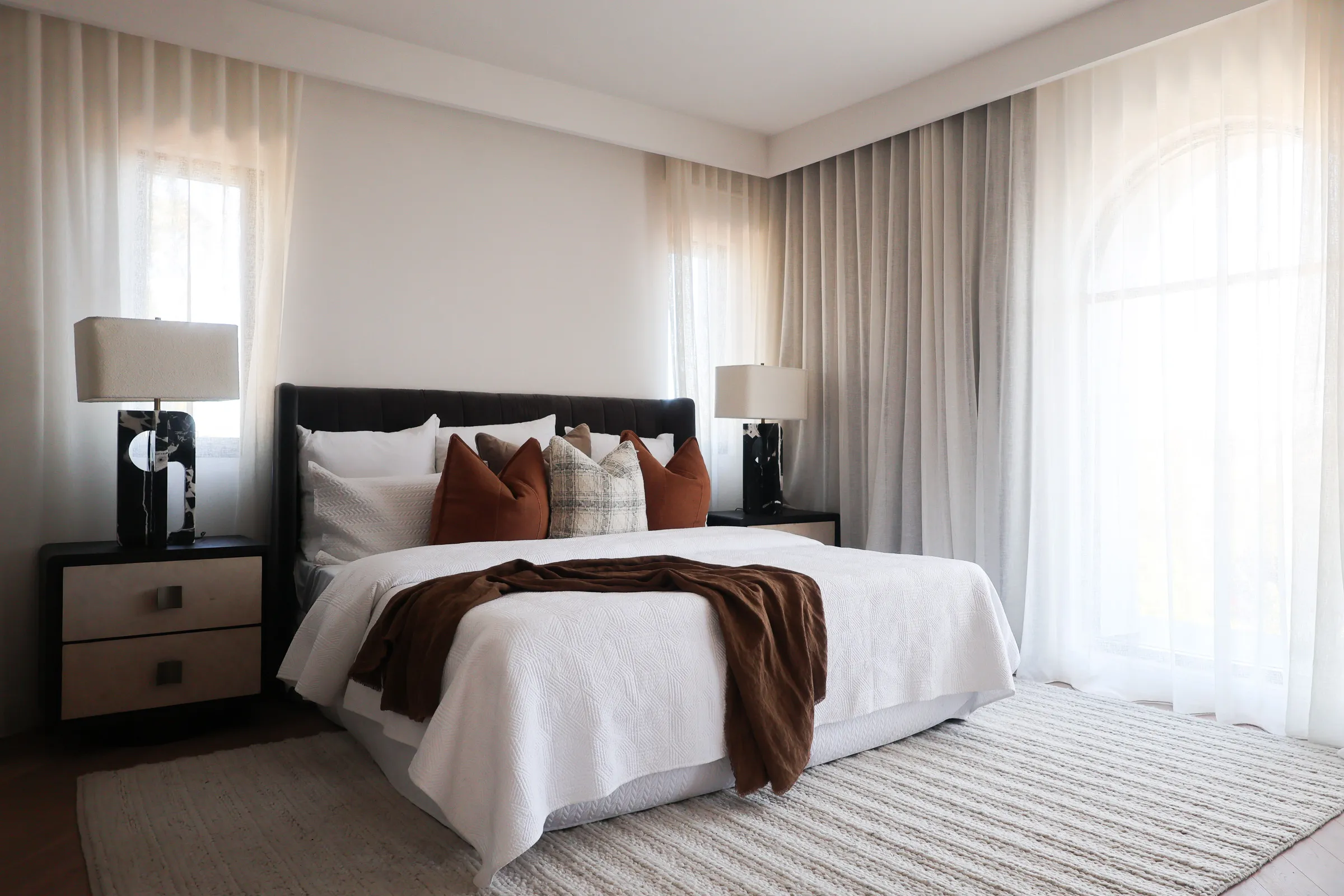
In a contemporary bedroom, restraint creates calm. A low platform bed, an upholstered bedhead, minimal bedside tables and soft wall lighting keep the room peaceful. Texture in the bedding and a single artwork stop it from feeling stark.
Exploring contemporary style for your home? These are the questions we’re asked most often.
The terms are often used interchangeably, but they’re not the same. Modern design refers to a specific period, the mid-20th century, with its own fixed set of shapes and materials. Contemporary design is the style of the present day, so it continually evolves. Today’s contemporary interiors often borrow modern elements like clean lines and open space, then add softer curves, richer textures and newer materials.
It depends on your home and how you want it to feel. Light contemporary suits homes where you want to maximise natural light and space. Dark contemporary suits larger rooms, homes with good natural light and spaces designed for evenings and entertaining. Some homes use both, with a light kitchen and living area alongside a darker media room or main bedroom.
Not when it’s done well. Dark walls and furniture can actually blur the edges of a room and make it feel cocooning rather than cramped. The key is layered lighting, a few reflective surfaces like glass or polished metal, and enough contrast to keep the room from feeling flat.
Layer texture and warmth. Wool rugs, linen and bouclé upholstery, natural timber and warm-toned lighting all soften clean lines. Curved furniture shapes help too, along with a few personal pieces like art and books.
Because contemporary design is about the present, its details do evolve. But the foundations don’t date: clean lines, quality materials and a well-edited layout. We focus on those, and keep the more fashionable choices to cushions, art and accessories that are easy to update.